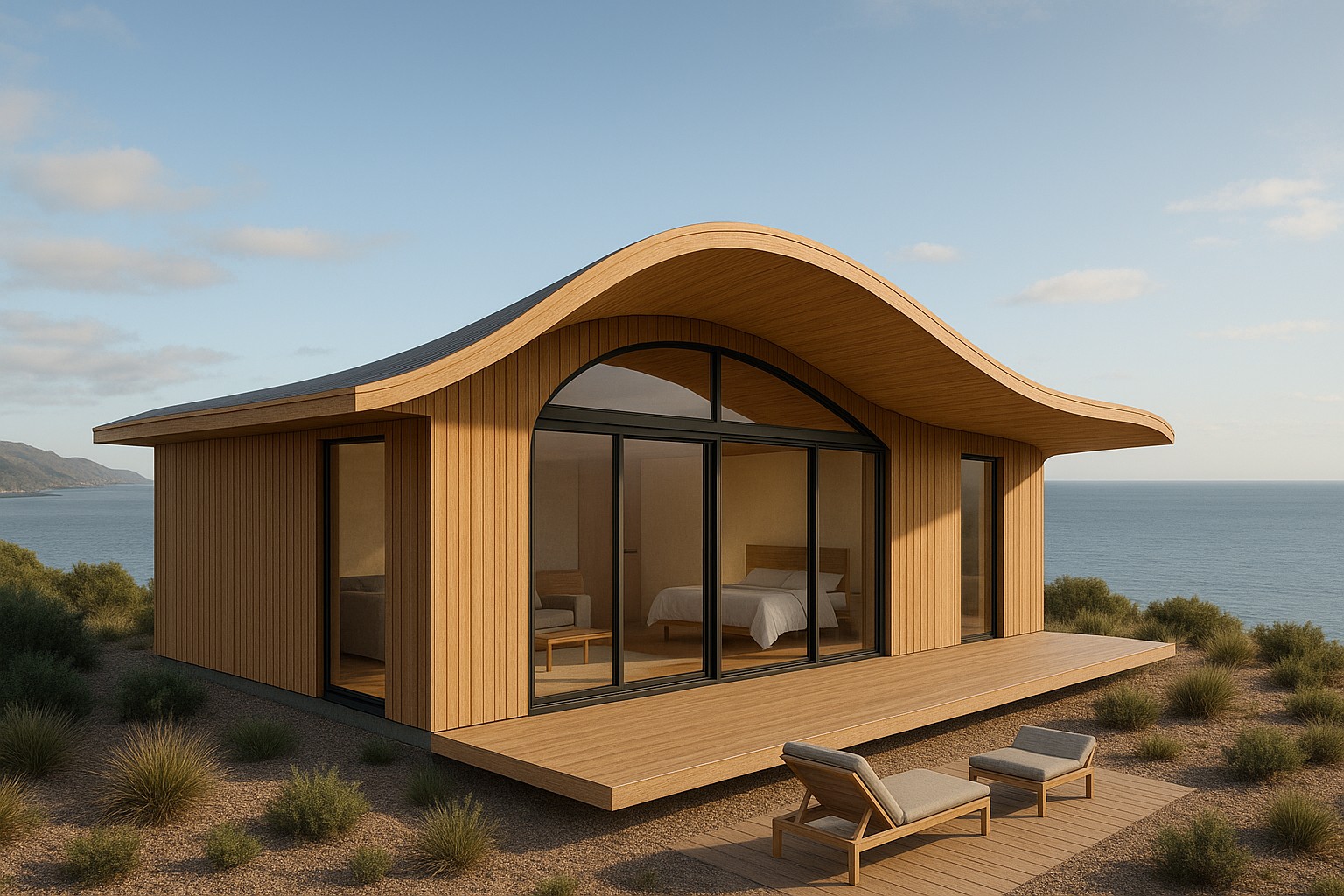
California ADU Laws & Requirements — 2026 Guide
Accessory Dwelling Units (ADUs) remain one of the most effective housing solutions in California. State legislation over the past decade has significantly simplified permitting, reduced development fees, and expanded where ADUs can be built.
California ADU regulations are primarily governed by:
- California Government Code §65852.2 — Accessory Dwelling Units
- California Government Code §65852.22 — Junior ADUs
- California Civil Code §4751 — HOA Restrictions
These laws override many local zoning restrictions and require cities to allow ADUs under clearly defined standards.
For homeowners and developers, ADUs offer:
- additional rental income
- increased property value
- flexible family housing
- relatively low development risk compared with new subdivisions
Key California ADU Regulations (2026)
| Topic | State Requirement |
|---|---|
| Permit Process | Ministerial approval (no hearings or discretionary review) |
| Permit Timeline | 60 days from complete application |
| Minimum Size Cities Must Allow | 800 sq ft |
| Maximum Detached ADU Size | Up to 1,200 sq ft |
| Side & Rear Setbacks | 4 ft minimum |
| Impact Fees | Not allowed for ADUs ≤ 750 sq ft |
| HOA Authority | HOAs cannot prohibit ADUs |
| Parking | Often not required near transit or for conversions |
These provisions are intended to reduce regulatory barriers and accelerate housing development.
Types of ADUs Allowed
California law allows multiple ADU configurations depending on property conditions.
| ADU Type | Description | Typical Size Limit |
|---|---|---|
| Detached ADU | Separate dwelling unit on the same lot | up to 1,200 sq ft |
| Attached ADU | Addition connected to primary house | typically ≤50% of primary home |
| Conversion ADU | Garage, basement, or accessory structure conversion | based on existing structure |
| Junior ADU (JADU) | Unit created within the primary residence | 500 sq ft maximum |
Garage conversions remain one of the most economical ADU options because they reuse existing structures.
Minimum Development Standards
Even when local zoning rules are stricter, California law requires cities to allow the following configuration.
| Requirement | Minimum Allowed by State |
|---|---|
| Floor Area | 800 sq ft |
| Height | 16 ft |
| Side Setback | 4 ft |
| Rear Setback | 4 ft |
Cities may allow larger units but cannot restrict ADUs below these minimum allowances.
ADUs on Multifamily Properties
State law also expands ADU opportunities on multifamily residential parcels.
| Scenario | Allowed ADUs |
|---|---|
| Conversion of non-habitable space (storage, garages, basements) | Up to 25% of existing units |
| Detached ADUs on multifamily lots | Up to 2 detached units |
Impact Fees and Utility Rules
California limits development fees to encourage ADU construction.
| Fee Category | State Rule |
|---|---|
| Impact Fees | Not allowed for ADUs ≤ 750 sq ft |
| Larger ADUs | Fees must be proportional to square footage |
| Utility Connection Fees | Often waived for garage conversions or internal ADUs |
| School Fees | May apply depending on district |
These rules significantly lower the financial barrier to building an ADU.
Junior ADU (JADU) Requirements
Junior ADUs are governed by Government Code §65852.22.
| Requirement | Standard |
|---|---|
| Maximum Size | 500 sq ft |
| Location | Within the primary residence |
| Kitchen | Efficiency kitchen required |
| Entrance | Separate exterior entrance required |
| Bathroom | May share bathroom with the primary dwelling |
| Owner Occupancy | May be required if a JADU is present |
JADUs are often the lowest-cost ADU option because they reuse interior space.
Building Code Requirements
Although ADU approvals are streamlined under state law, construction must still comply with California building and safety codes.
| Code | Applies To |
|---|---|
| California Residential Code (CRC) | Most ADU construction |
| California Building Code (CBC) | Larger or multifamily conditions |
| CALGreen | Energy efficiency and sustainability |
| California Fire Code | Fire separation and fire access |
Typical engineering considerations include:
- structural framing design
- seismic load calculations (ASCE 7 / CBC)
- foundation design
- energy compliance (Title 24)
- fire separation walls and egress requirements
Why Engineering Matters for ADU Permits
Even though ADU approvals are ministerial, many permit applications are delayed due to incomplete or incorrect plan sets.
Common permit corrections include:
- missing structural calculations
- incomplete framing details
- incorrect energy documentation
- fire separation deficiencies
Professional engineering ensures the design complies with California building codes on the first submission, reducing review cycles.
Why XE Engineering Is Your Advantage
XE Engineering Inc. develops California-compliant ADU designs and structural plan sets optimized for permitting and construction.
- ✔ comply with California ADU statutes
- ✔ meet CBC / CRC structural requirements
- ✔ optimize construction efficiency
- ✔ reduce permit review delays
Explore XE ADU Plans
If you're planning to build an ADU, starting with a permit-ready plan set is the most efficient path to construction.
Explore our ADU designs:
ADU Plan Store
https://www.xe-eng.com/adustore
Our plans include:
- architectural drawings
- structural engineering design
- code-compliant layouts
- construction-ready details