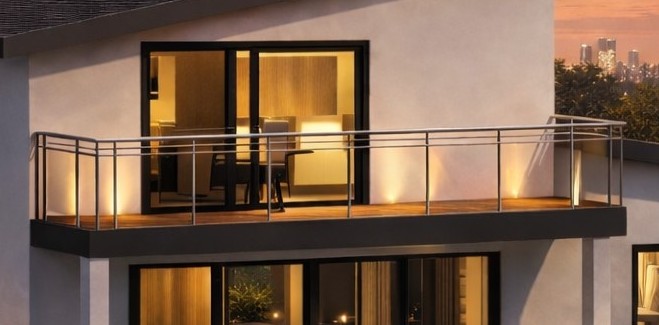
California Balcony Inspection Law (SB 721) and Exterior Elevated Element (EEE) Inspections
California Senate Bill 721 (SB 721) introduced mandatory safety inspections for balconies, decks, and other exterior elevated elements in multifamily residential buildings. The law was enacted to improve structural safety and prevent failures caused by moisture intrusion, wood decay, and structural deterioration.
Exterior elevated structures often rely on concealed wood framing protected by waterproof membranes. When waterproofing systems fail, structural deterioration can occur without visible warning. SB 721 requires periodic professional inspections to identify these risks before they become safety hazards.
What is SB 721?
SB 721 is a California law requiring inspections of Exterior Elevated Elements (EEE) in residential buildings with three or more dwelling units.
The law applies to:
- Balconies
- Decks
- Exterior stairways
- Walkways
- Porches
- Entry platforms
An exterior elevated element is defined as a structure that:
- Extends beyond the exterior wall of a building
- Is more than 6 feet above ground level
- Is designed for human occupancy or use
- Relies partially or fully on wood or wood-based structural components
These elements must be inspected to verify that they remain structurally safe and free from hazardous deterioration.
Why the Law Was Created
Several balcony failures in California revealed that water intrusion into concealed wood framing can lead to severe structural deterioration. In many cases, the damage was hidden behind finishes and waterproofing systems, making it difficult to detect without professional inspection.
SB 721 was therefore enacted to require periodic inspections that identify deterioration before structural failure occurs.
Who Can Perform SB 721 Inspections?
Under SB 721, inspections must be conducted by qualified professionals such as:
- Licensed structural engineers
- Licensed civil engineers
- Licensed architects
- Licensed contractors with A, B, or C-5 classifications and sufficient experience
- Certified building inspectors or building officials
These professionals evaluate structural components and waterproofing systems to determine the safety and serviceability of exterior elevated elements.
What the Inspection Includes
SB 721 inspections evaluate both structural components and waterproofing systems.
Typical inspection scope includes:
- Structural load-bearing members
- Wood framing condition
- Structural connections to the building
- Waterproof membranes and coatings
- Flashings and sealants
- Evidence of rot, fungus, corrosion, or structural damage
The law requires inspection of at least 15% of each type of exterior elevated element within a building.
Evaluation may involve visual inspection, moisture detection, and selective testing when necessary to assess concealed conditions.
Inspection Deadlines
SB 721 required the initial inspection to be completed by January 1, 2025 for applicable buildings.
After the initial inspection, buildings must be inspected every six years.
For buildings constructed after January 1, 2019, inspections must occur within six years after issuance of the certificate of occupancy.
Inspection Reports
The inspector must provide a written report to the building owner within 45 days after the inspection.
The report typically includes:
- Description of inspected elements
- Structural condition evaluation
- Photographs and testing results
- Estimated service life
- Recommendations for repair or further investigation
Inspection reports must be retained by the owner for two inspection cycles and must be disclosed during property transactions.
Repair Requirements
If deterioration or structural deficiencies are identified, building owners must complete repairs according to the following timeline:
- Apply for repair permits within 120 days of receiving the inspection report
- Complete repairs within 120 days after permit approval, unless extended by the local jurisdiction
If an exterior elevated element poses an immediate safety hazard, emergency measures must be taken immediately. These may include restricting access to the element, installing temporary shoring, or performing urgent structural repairs.
California Building Code Compliance
All repair and replacement work performed under SB 721 must comply with the California Building Standards Code, including the California Building Code (CBC) and all applicable local regulations.
Repair work must also follow:
- Engineering recommendations
- Manufacturer specifications
- Local jurisdiction requirements
These standards ensure that repaired balconies and elevated elements meet modern structural safety requirements.
Penalties for Non-Compliance
Failure to comply with SB 721 inspection and repair requirements may result in enforcement actions by local authorities.
Potential consequences include:
- Civil penalties ranging from $100 to $500 per day
- Local enforcement actions
- A building safety lien placed against the property
Maintaining compliance is essential to protect occupants and avoid financial penalties.
Balcony Inspection Services – XE Engineering
XE Engineering provides professional structural engineering services for SB 721 compliance, including:
- Balcony and deck structural inspections
- Exterior Elevated Element (EEE) assessments
- Structural engineering reports
- Repair design and construction support
If your building contains balconies, decks, or elevated walkways, scheduling an inspection ensures compliance with California law and protects building occupants.